


Walking the estuary
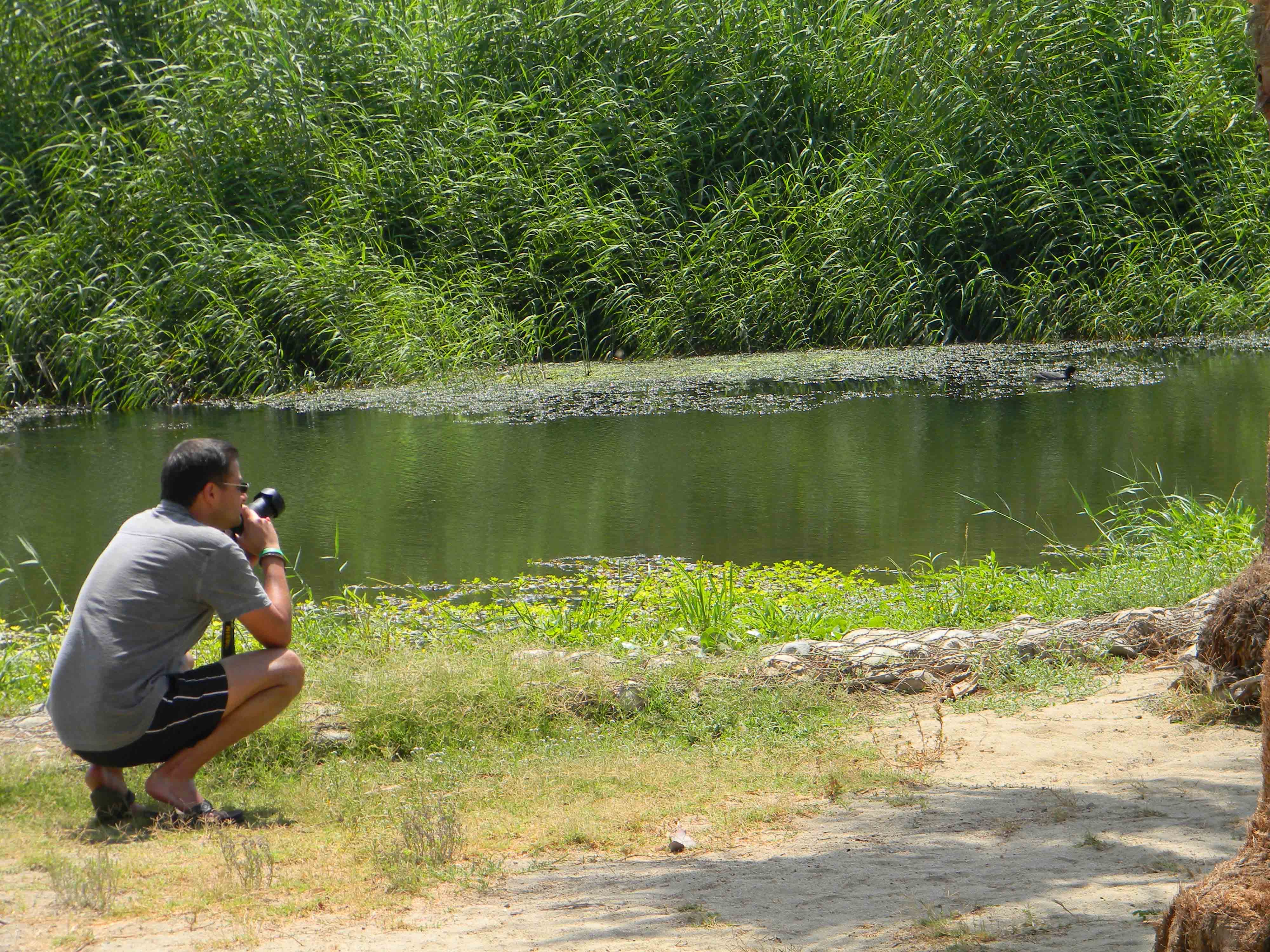
A photographer looks for the perfect shot while exploring the estuary at San Jose del Cabo. Photo by Ed Kociela
By Ed Kociela
Far from the nightlife and frolic, there’s a place in Los Cabos where the wild birds fly and the mood is calm.
In our explorations, my wife and I have discovered the estuary in San Jose del Cabo. Just south of the marina, and basically in the backyard of the El Presidente resort, this little treasure is a gem to explore.
Before the Spanish missionaries settled the little town in 1730, the estuary was a place where the Pericu Indians obtained their drinking water for centuries. It was also a place where Spanish explorers and sailors–and the British and Dutch pirates who raided their galleons–could replenish their water supplies.
Now, however, it is a place of calm and quiet.
The 2,000-acre estuary, which is protected by Mexican law as a natural preserve and sanctuary for hundreds of species of tropical and migratory birds, and for many species of marine life, amphibians, reptiles, mammals and, insects, is a marshy lagoon that is fed by the Rio San Jose, which flows from the Laguna Mountains.
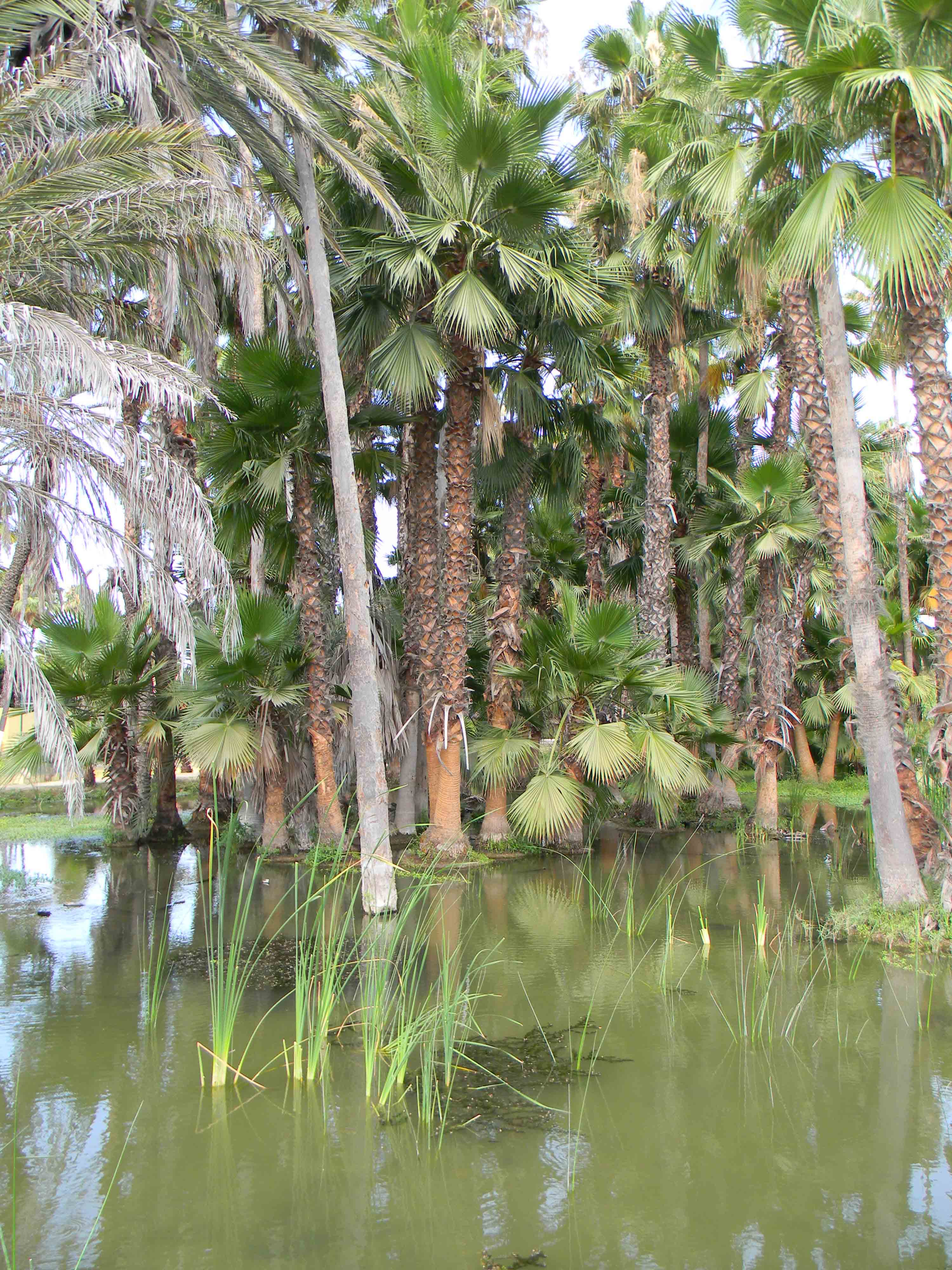
There are a number of tidepools like this one in the San Jose del Cabo estuary. Photo by Ed Kociela
The government is taking steps to ensure the safety of the flora and fauna there and on any given day, you could run into work crews feverishly cleaning the freshwater lagoon that flows just behind a white-sand beach on the Sea of Cortes.
The entry is unmarked along the main road into downtown San Jose del Cabo. Just look for it shortly after you make the mandatory left turn near the El Presidente. There is ample parking at the end of the dirt road and you can actually drive in either direction before you get out and take a stroll.
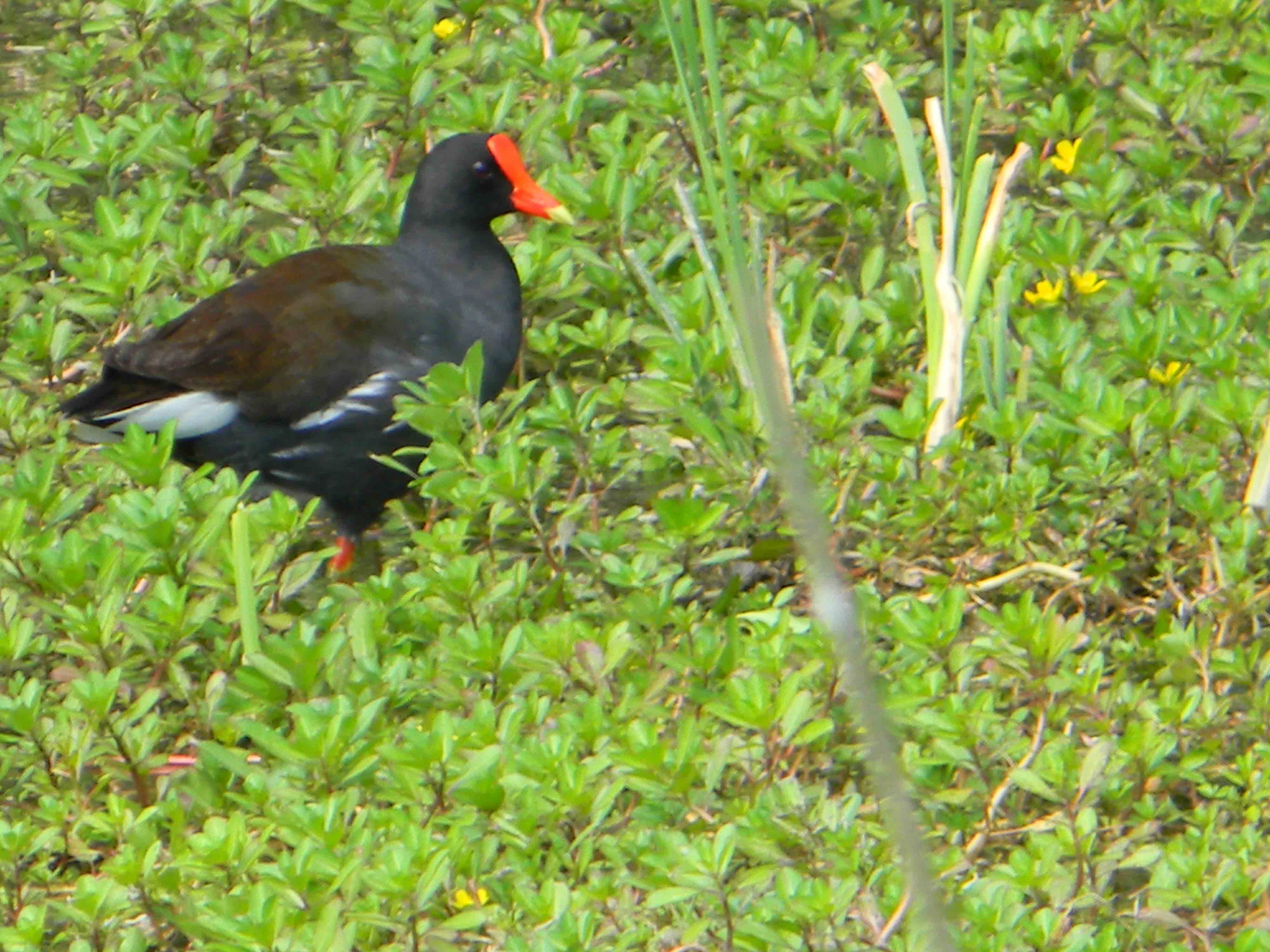
There is also an abundance of wildlife to discover as you explore the estuary at San Jose del Cabo. Photo by Ed Kociela
Right now, there are mainly local birds nesting in the tall, lush trees. There are many more migratory species that arrive in the fall and winter months. But, it is still beautiful and calming to walk through the lagoon amid the 10-feet tall reeds and towering palms.
Keep your eyes moving, though, because the wildlife darts around pretty quickly.
On a recent visit, we saw several pelicans swooping the area, diving for the fish in the waterway. There were woodpeckers, cactus wrens, hooded orioles, ducks, and a host of other birds chirping and cackling along the path.
Follow it to its end on the south and you come to the shoreline in front of the El Presidente, where just before dawn, locals cast their surf rods into the waves in hopes of hooking up with a nice-size roosterfish, grouper, or huachinango. A little further to the north, near the marina, you will see fishermen hauling in amberjack.
The estuary is also a photographer’s dream, with innumerable shapes, objects, and colors to chase and capture.
There are also little tidepools filled with minnows swimming lazily near shore.
It’s quiet, a step away from the hustle and bustle of the cantinas and restaurants, but it is worth your time.
 Ed Kociela is a writer for Los Cabos Magazine. You can reach him by email at edkociela.mx@gmail.com. Follow him on Twitter at www.Twitter.com/EdKociela.